
Temperature Control That Responds Accurately
Thermostat Repair & Replacement in Gulfport for controls failing to maintain setpoint or cycle equipment properly
Accurate temperature control depends on thermostats that sense indoor conditions correctly and send proper signals to heating and cooling equipment. Faulty thermostats cause short-cycling that wears compressors and blower motors, allow temperature swings that make rooms uncomfortable despite equipment operation, or prevent systems from running at all when control voltage fails to reach the air handler or furnace. Calibration errors as small as three degrees create situations where the thermostat reads seventy-two while actual room temperature measures sixty-nine or seventy-five, triggering complaints about system performance when the problem lies in sensing accuracy rather than equipment capacity. Silvers Comfort Services diagnoses and repairs thermostat malfunctions affecting comfort and efficiency in Gulfport homes, and installs programmable or smart controls that improve temperature management and reduce energy waste.
Thermostat service begins with testing whether the device accurately measures room temperature, whether control signals reach the equipment when heating or cooling is called for, and whether wiring connections provide clean twenty-four-volt power without resistance drops. Mechanical thermostats use bimetal coils that lose calibration over time, while digital models fail when batteries weaken or internal relays stick. Smart thermostats add complexity through WiFi connectivity and programming features that require proper setup to function as intended, including geofencing parameters, learning algorithms, and equipment compatibility settings.
Schedule thermostat service to determine whether calibration, repair, or replacement will restore accurate temperature control and proper equipment cycling.
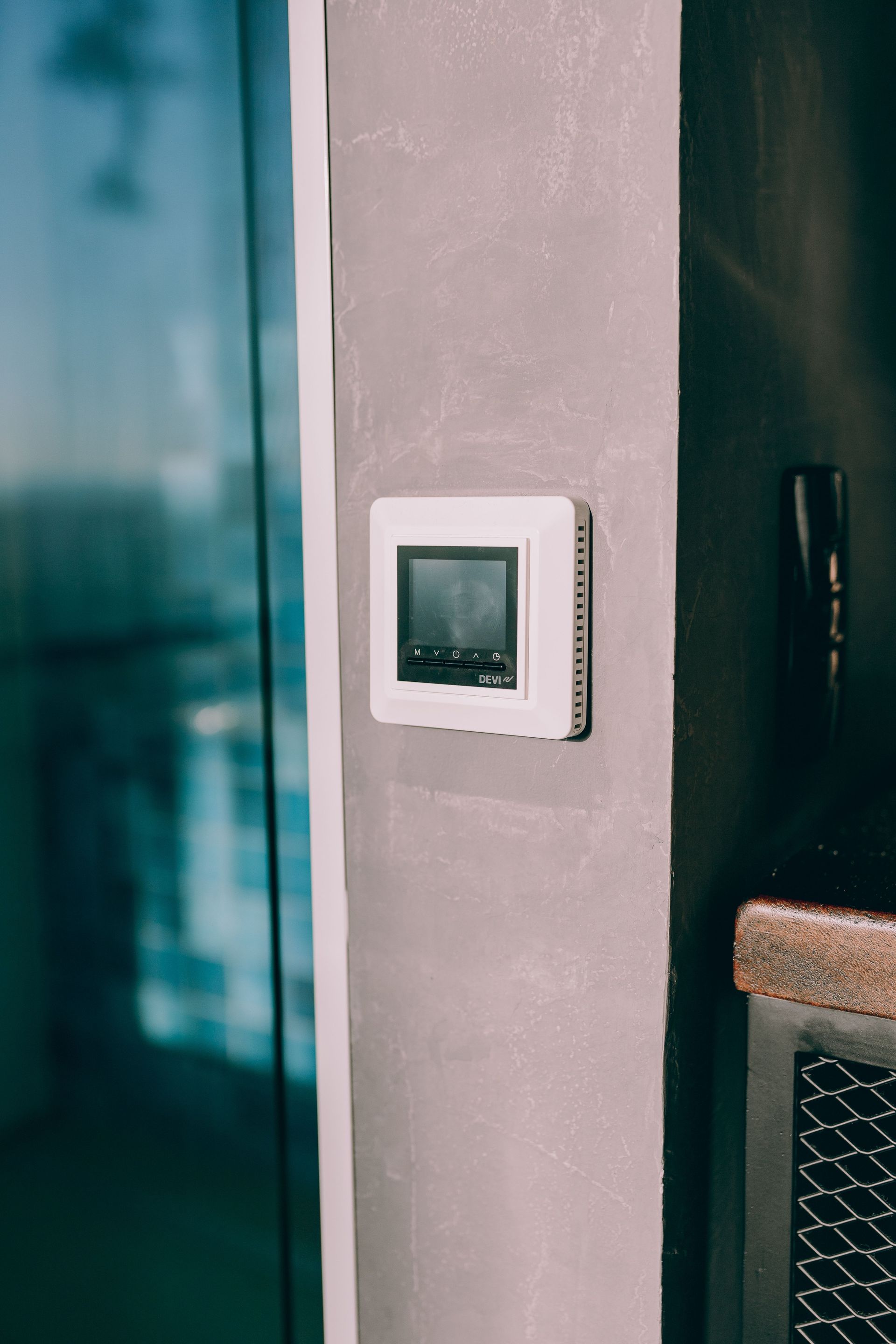
What Properly Functioning Controls Change
Thermostat installation involves more than mounting a new device on the wall. Technicians verify wire gauge and insulation condition for control voltage runs, test transformer output at the air handler to confirm twenty-four volts AC reaches the thermostat location, configure heat pump settings that prevent electric strip heat from operating unnecessarily, and program multi-stage equipment to call for second-stage capacity only after first-stage runtime proves insufficient. Smart thermostats require network configuration, equipment type selection from manufacturer databases, and cycle rate adjustment that matches system capacity to avoid short-cycling.
After repair or replacement, the displayed temperature matches actual room conditions within one degree, the system responds to setpoint changes within the programmed delay period without false starts, and heating or cooling cycles complete fully before shutting down rather than short-cycling every few minutes. Programmable schedules adjust temperature automatically during unoccupied hours, reducing runtime when conditioning is not needed, and smart models provide usage reports that show daily runtime and identify efficiency opportunities. Proper thermostat operation eliminates the phantom service calls where homeowners report equipment problems but testing reveals only control issues.
Thermostat replacement does not fix undersized equipment, ductwork leaks, or refrigerant problems that prevent systems from reaching setpoint. If your HVAC system runs continuously without satisfying the thermostat, the problem likely involves equipment capacity or airflow rather than control accuracy. Diagnostic testing separates thermostat faults from system performance issues that require different solutions.
Answers About Thermostat Service
Control problems often mimic equipment failures, leading homeowners to suspect major repairs when thermostat service would resolve the issue. These questions clarify what thermostat problems look like and how service addresses them.
What symptoms indicate a thermostat is malfunctioning?
Temperature displayed on the thermostat differs significantly from other thermometers in the room, the system does not start when setpoint is adjusted several degrees from current temperature, heating activates when cooling is selected or vice versa, or the screen is blank despite fresh batteries and proper wiring connections.
How do programmable thermostats reduce energy consumption?
Scheduled setbacks raise cooling setpoint or lower heating setpoint during unoccupied periods or sleeping hours, reducing compressor and burner runtime by twenty to thirty percent in typical homes without sacrificing comfort during occupied times when conditioning is actually needed.
When should a thermostat be replaced instead of repaired?
Mechanical thermostats older than fifteen years lack calibration adjustment and use outdated mercury switches, basic digital models that fail repeatedly due to relay contact wear cost less to replace than repair, and homes upgrading to multi-stage or variable-speed equipment require communicating thermostats the old controls cannot operate.
What smart thermostat features benefit Gulf Coast homeowners?
Humidity sensing triggers dehumidification modes during muggy Gulfport weather even when temperature is satisfied, geofencing reduces cooling runtime when GPS shows occupants have left, and usage tracking identifies abnormal runtime patterns that indicate developing equipment problems before complete failure.
Why does thermostat location affect system performance?
Thermostats mounted in direct sunlight, near supply vents, on exterior walls, or in unoccupied rooms sense conditions that do not represent the actual living space temperature, causing the system to undershoot or overshoot comfort needs in the areas homeowners actually occupy.
Silvers Comfort Services handles thermostat problems that prevent accurate temperature control and proper equipment operation. Arrange service when temperature readings seem incorrect, equipment cycles erratically, or you want to upgrade to programmable or smart controls that offer better management of heating and cooling in your home.