
Systems Sized and Built for Decades
HVAC Installation in Gulfport for homes requiring new equipment or complete system replacement
Properly sized heating and cooling equipment determines whether your home maintains consistent temperature and humidity levels without excessive energy consumption or premature equipment failure. Undersized systems run continuously during peak seasons without reaching thermostat setpoint, while oversized units short-cycle and fail to dehumidify properly, creating comfort problems even when indoor temperature seems acceptable. Silvers Comfort Services installs complete HVAC systems for new construction and replacement projects across Gulfport, matching equipment capacity to actual cooling and heating loads calculated from insulation levels, window area, ductwork design, and regional climate data specific to the Mississippi Gulf Coast.
HVAC installation begins with load calculation that determines required tonnage and BTU output for your specific home, not general estimates based on square footage alone. Technicians measure ductwork dimensions and verify airflow capacity matches equipment output, inspect electrical service to confirm panel capacity for new equipment amperage requirements, and evaluate refrigerant line routing for shortest practical distance between outdoor condensing unit and indoor air handler. Installation practices include nitrogen purging of line sets before refrigerant charge, torque-specified flare connections that prevent future leaks, and vibration isolation between equipment and mounting surfaces.
Request an installation estimate that includes equipment specifications, load calculation results, and projected energy efficiency for your home.
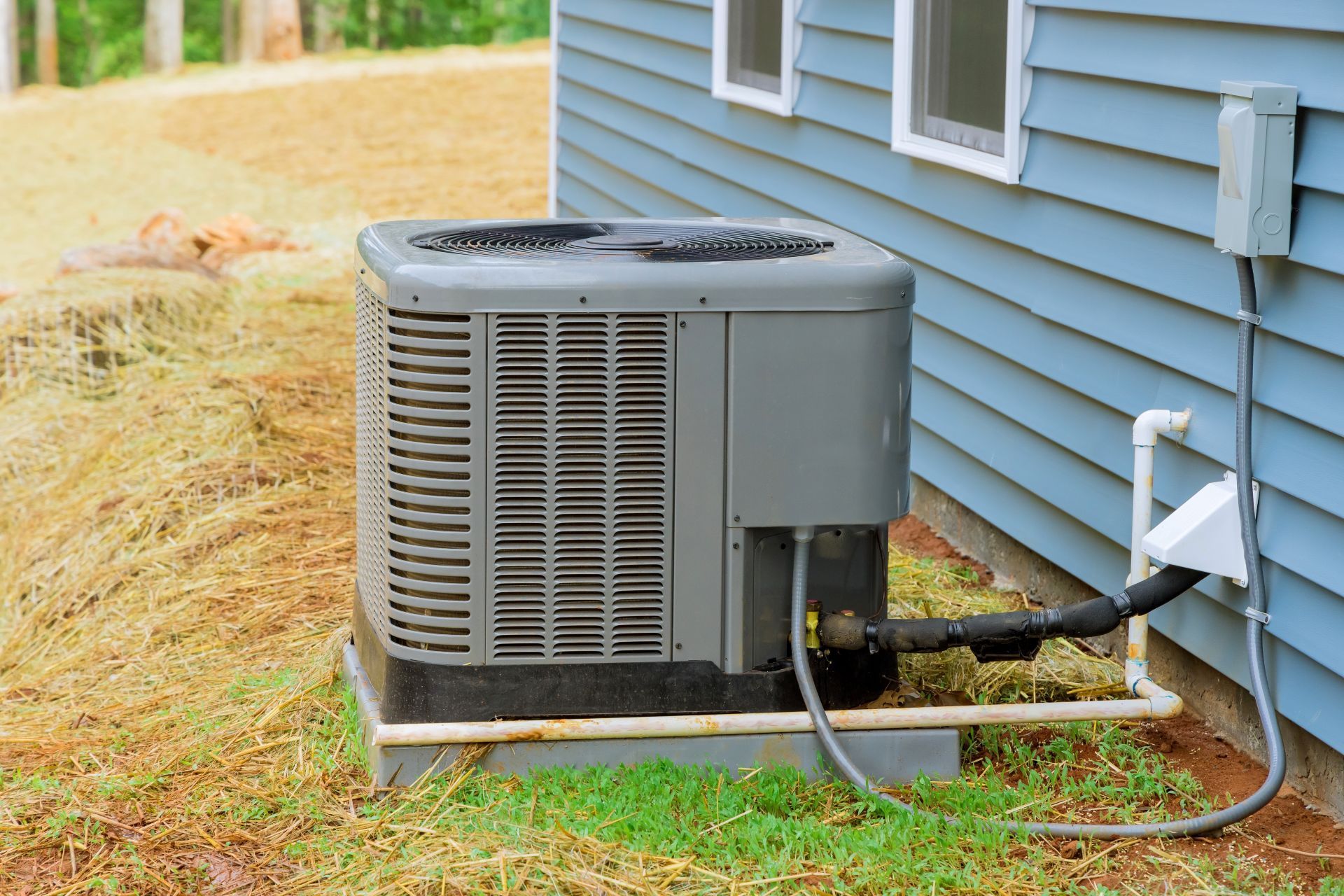
What Changes After Professional Installation Completes
Complete installation addresses not just equipment placement but also airflow balance, refrigerant charge verification, and combustion testing on gas furnaces. Technicians adjust blower speed to deliver correct CFM per ton of cooling capacity, typically four hundred cubic feet per minute for each ton, measure supply and return static pressure to identify duct restrictions that reduce efficiency, and verify voltage at equipment terminals matches nameplate specifications. Energy-efficient models include variable-speed blowers and multi-stage compressors that adjust output to match actual load rather than running full capacity regardless of demand.
After installation, your home reaches thermostat setpoint within normal runtime for the outdoor conditions, usually fifteen to twenty minutes for cooling and ten to fifteen minutes for heating. Temperature variation between rooms decreases when ductwork is properly balanced, and humidity levels stabilize because correctly sized equipment runs long enough to condense moisture from indoor air. Utility costs reflect improved seasonal energy efficiency ratio compared to older equipment, and the system operates quietly without rattling ductwork or vibrating floor joists.
New installations come with manufacturer warranties covering parts for five to ten years depending on equipment tier selected, but warranty coverage requires professional installation and documented startup procedures. Extended labor warranties are available separately to cover service call costs beyond the initial installation period. Equipment selection involves balancing upfront cost against long-term operating expense and expected service life, with builder-grade models lasting twelve to fifteen years and premium units often exceeding twenty years when maintained properly.
Common Questions About HVAC Installation
Equipment replacement represents significant investment, and homeowners want assurance the system will perform as expected. The questions below address installation concerns that affect long-term satisfaction.
What determines the correct size for a new HVAC system?
Manual J load calculations account for insulation R-values, window orientation and shading, ceiling height, occupancy patterns, and local design temperatures in Gulfport to determine cooling tonnage and heating BTU requirements that match your home's actual heat gain and loss.
How does installation quality affect system performance?
Refrigerant undercharge by as little as ten percent reduces cooling capacity and efficiency significantly, while ductwork leaks exceeding fifteen percent of total airflow waste energy and prevent proper temperature control regardless of equipment quality.
What energy-efficient options are available for HVAC installation?
Variable-speed air handlers adjust airflow incrementally rather than running full blast constantly, two-stage compressors operate at reduced capacity during mild weather, and heat pumps with backup heat strips provide efficient heating down to freezing temperatures common during Gulf Coast winters.
When should I replace my HVAC system instead of repairing it?
Systems older than twelve years using R-22 refrigerant, equipment requiring compressor replacement, or furnaces with cracked heat exchangers typically warrant full system replacement rather than major component repairs that approach half the cost of new installation.
How long does HVAC installation take from start to finish?
Complete system replacement in homes with existing ductwork typically requires one to two days depending on equipment location accessibility, electrical service upgrades needed, and whether refrigerant line sets require replacement or can be reused after pressure testing.
Silvers Comfort Services handles installation projects that deliver long-term performance through proper equipment selection and installation standards designed for the Gulf Coast climate. Schedule a consultation to review equipment options and receive a detailed installation proposal based on your home's specific requirements.