
Airflow That Reaches Every Room Effectively
Ductwork Repairs in Gulfport for Systems With Uneven Temperatures and Air Loss
Duct systems develop leaks, disconnections, and insulation failures that waste conditioned air before it reaches living spaces, creating rooms that stay warmer or cooler than the thermostat setting regardless of HVAC equipment performance. Sealing these leaks improves both comfort and system efficiency by ensuring the air your heating and cooling equipment produces actually reaches the intended destinations. Silvers Comfort Services repairs ductwork for Gulfport properties where homeowners notice hot and cold spots, excessive dust from leaks pulling attic air into the system, or utility costs that seem high relative to thermostat settings. Damaged ductwork forces HVAC equipment to run longer cycles to compensate for lost capacity.
Ductwork repairs involve sealing leaks at joint connections where sections have separated, repairing physical damage from pests or storage activity, and adding insulation to sections running through unconditioned spaces where temperature differences cause efficiency losses. Professional repairs use mastic sealant or metal-backed tape rated for ductwork rather than standard cloth duct tape, which fails quickly under temperature cycling. Properly sealed and insulated ducts deliver designed airflow volumes to each register, which allows HVAC equipment to operate as engineered rather than fighting distribution losses.
Schedule a ductwork inspection to identify leaks and damage affecting your system's heating and cooling delivery.
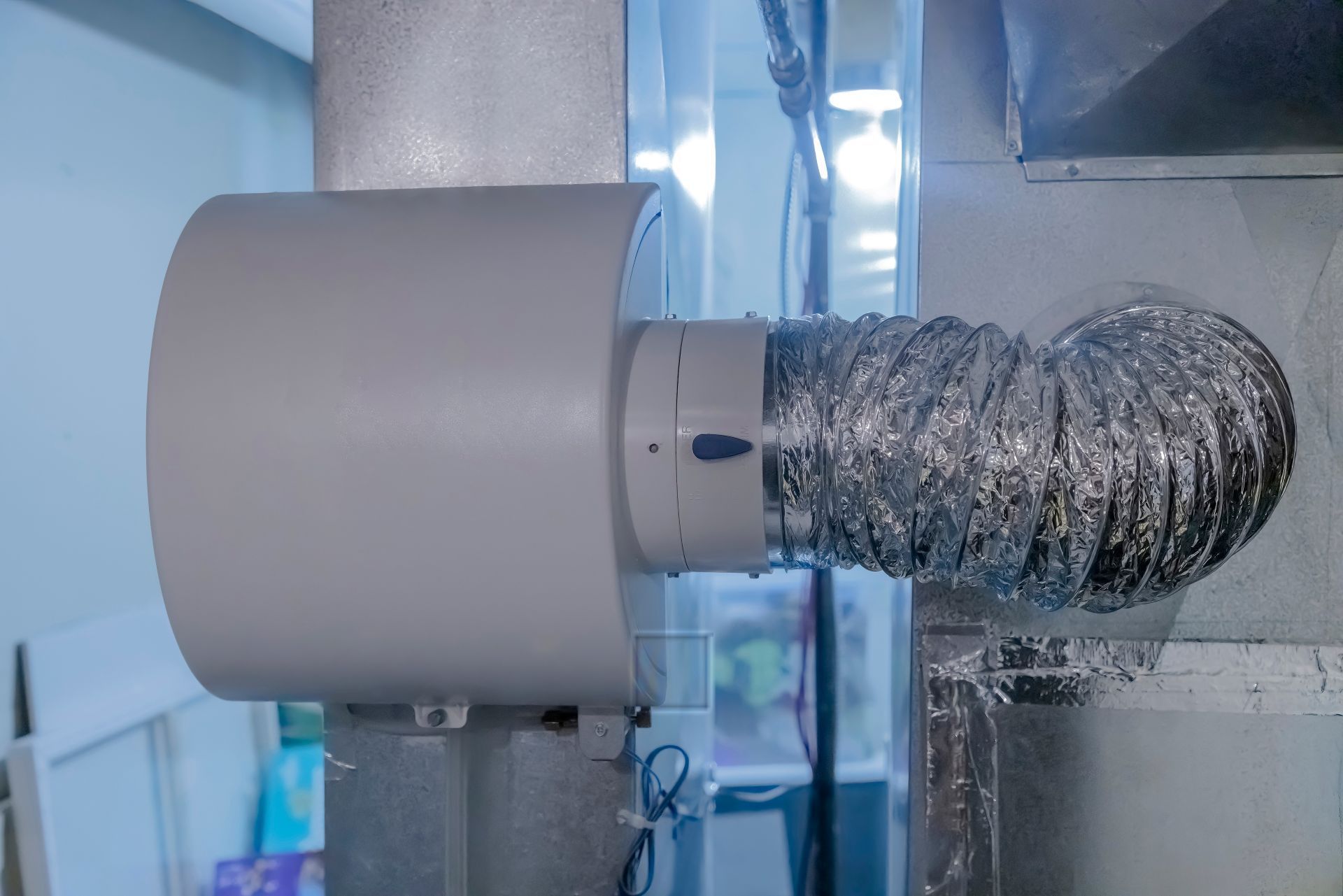
What Proper Duct Repair Accomplishes
Duct inspection uses visual examination of accessible sections combined with airflow measurement at registers to identify distribution problems and pressure testing to quantify total system leakage. Repairs prioritize leaks in unconditioned spaces where conditioned air is lost completely rather than leaks between rooms that simply redistribute air within the living space. Sealing work includes securing loose connections, replacing damaged sections, and applying appropriate sealants to joints and seams where air escapes the intended distribution path.
After ductwork repairs, rooms that previously stayed uncomfortable reach desired temperatures more consistently, the HVAC system runs for shorter periods to satisfy thermostat calls, and the temperature difference between supply registers noticeably evens out across different areas of the home. You no longer feel the need to adjust vents or close registers trying to balance airflow manually. Energy costs typically decrease because the system delivers more of its output to living spaces rather than losing it to attics, crawlspaces, or wall cavities.
Duct repairs also reduce the infiltration of unconditioned air, dust, and humidity into the system when return-side leaks pull air from attics or crawlspaces instead of from interior spaces. This infiltration forces the HVAC equipment to condition outdoor air continuously rather than simply maintaining indoor air at comfortable levels, which increases both equipment runtime and operating costs.
Questions About Ductwork Service
Property owners frequently want to understand what causes duct problems and what repairs involve before scheduling service.
What creates hot and cold spots when the HVAC system is running?
Uneven temperatures typically result from ductwork leaks that reduce airflow to distant rooms, undersized duct branches that cannot deliver adequate volume, or blocked registers that restrict intended distribution patterns.
How do ductwork leaks affect HVAC system efficiency?
Leaks waste conditioned air by releasing it into unconditioned spaces before it reaches living areas, which forces equipment to run longer cycles and consume more energy to maintain indoor temperatures.
When should I schedule professional ductwork inspection in Gulfport?
Professional inspection makes sense when utility costs seem high relative to thermostat settings, when some rooms never reach comfortable temperatures, or when excessive dust appears despite regular filter changes indicating leaks pulling attic air into the system.
What materials seal ductwork leaks properly?
Professional duct sealing uses mastic sealant or foil-backed tape specifically rated for ductwork applications, both of which maintain their seal under the temperature cycling and airflow stress that standard cloth duct tape cannot withstand long-term.
How does improved ductwork performance affect indoor comfort?
Sealed ductwork delivers designed airflow volumes to each room, eliminates the pressure imbalances that cause doors to slam or drafts near registers, and allows HVAC equipment to cycle normally rather than running continuously trying to overcome distribution losses.
Silvers Comfort Services identifies which ductwork issues cause the most significant comfort and efficiency losses so repairs address priorities first. Arrange a professional ductwork evaluation to determine what improvements would benefit your specific distribution system.