
Cleaner Air Throughout Your Living Space
Indoor Air Quality in Gulfport for Homes Concerned About Airborne Dust and Allergens
Airborne contaminants including dust, pollen, mold spores, and other particulates circulate continuously through homes without adequate filtration, settling on surfaces and affecting respiratory comfort. Silvers Comfort Services installs indoor air quality products that integrate with existing HVAC systems to reduce these pollutants in Gulfport homes where families notice excessive dust accumulation or seasonal allergy symptoms indoors. Whole-home air purifiers and UV light systems address different contaminant categories—mechanical filtration captures particles, while ultraviolet technology targets biological growth.
Indoor air quality solutions work by processing air as it circulates through the HVAC system, with purifiers trapping particles before air reaches living spaces and UV lights neutralizing biological contaminants that pass through ductwork. Integration with existing equipment means these systems operate whenever the blower runs, continuously treating air without requiring separate units in each room. Improved filtration also protects HVAC components from dust buildup that reduces efficiency and causes premature wear.
Request an indoor air quality consultation to identify which products address your specific concerns about indoor contaminants.
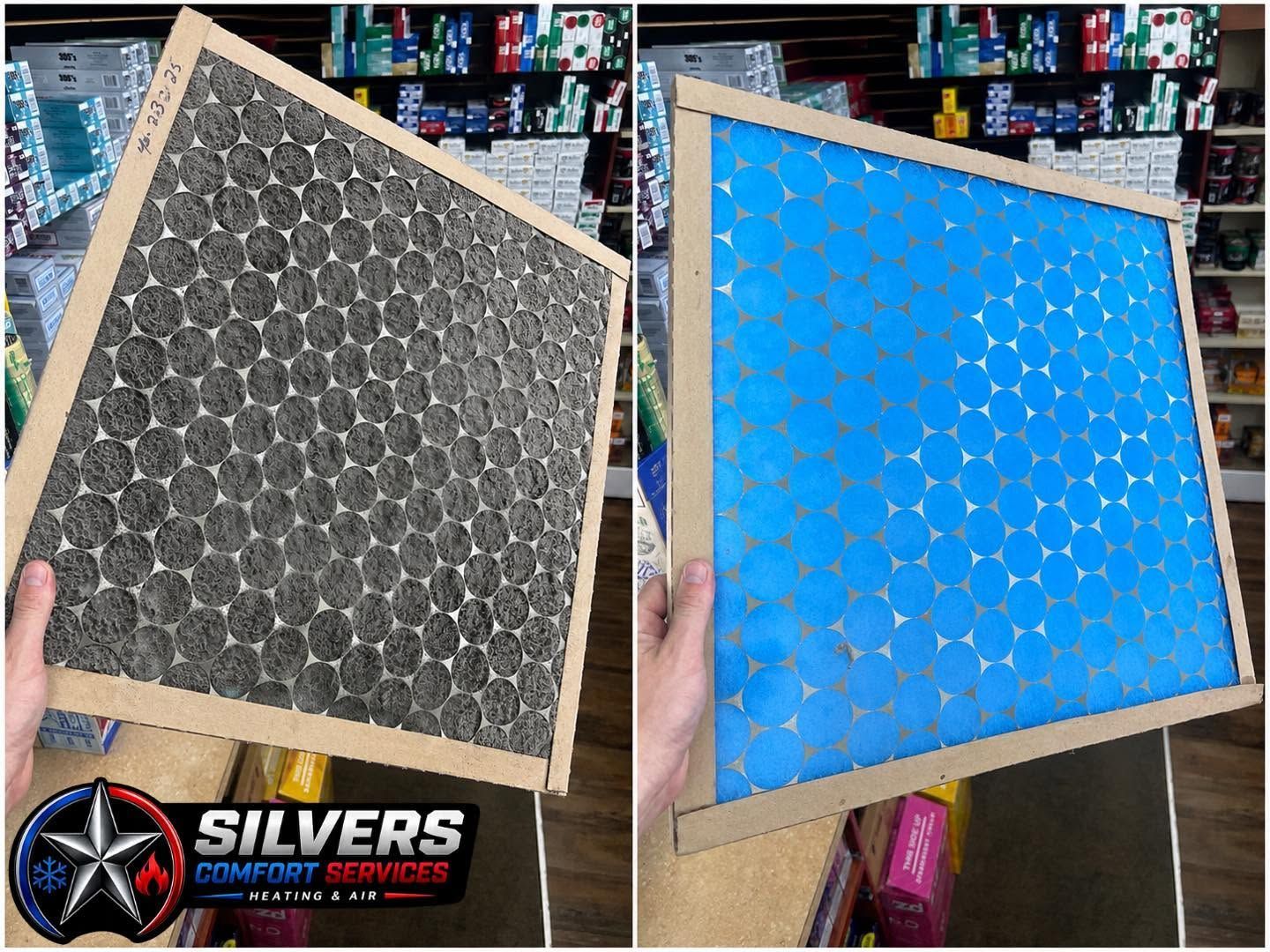
How Air Treatment Systems Change Indoor Conditions
Air quality products are installed within the main supply or return ductwork where they process the full volume of air circulating through the home. UV light systems mount near the evaporator coil to prevent biological growth that thrives in the moisture present during cooling operation, while whole-home purifiers install in the return plenum to filter air before it reaches the HVAC equipment. Installation requires electrical connections and, for some purifier types, occasional media replacement to maintain effectiveness.
After installation, you notice less dust settling on furniture between cleanings, reduced visible particles floating in sunlight, and often an improvement in respiratory comfort for household members sensitive to airborne irritants. The frequency of filter changes for your main HVAC system may increase slightly as enhanced filtration captures more material, but this indicates the system is removing contaminants that would otherwise circulate continuously. Cleaner indoor air also means cleaner HVAC components, which improves heat transfer efficiency and extends equipment lifespan.
UV lights require bulb replacement annually as ultraviolet output degrades over time, while purifier media replacement intervals depend on the specific technology used—some systems use disposable filters while others employ washable or electronically charged collectors. Not all air quality concerns require the same solution—particle filtration addresses dust and pollen, UV lights target biological contaminants, and ventilation systems dilute indoor pollutant concentrations.
What Families Want to Know About Air Quality Products
Homeowners considering indoor air quality improvements often ask about effectiveness, maintenance, and integration with existing systems.
What types of contaminants do whole-home purifiers capture?
Whole-home purifiers trap particulates including dust, pollen, pet dander, and mold spores, with effectiveness depending on the filtration technology used and the particle size being targeted.
How do UV lights improve HVAC system performance?
UV lights installed near the evaporator coil prevent biological growth that restricts airflow and reduces heat transfer efficiency, which keeps the system operating at designed capacity.
When should I consider air quality products for my Gulfport home?
Air quality products make sense when you notice excessive dust accumulation despite regular cleaning, when household members experience respiratory irritation indoors, or when visible mold appears near HVAC components in the humid coastal climate.
What maintenance do indoor air quality systems require?
Maintenance typically involves annual UV bulb replacement, periodic filter or media changes for purification systems, and inspection to verify proper operation whenever HVAC service is performed.
How does improved air quality affect HVAC efficiency?
Cleaner air means less dust buildup on blower wheels, heat exchanger surfaces, and evaporator coils, which maintains designed airflow and heat transfer efficiency rather than letting performance decline gradually over time.
Silvers Comfort Services evaluates your current indoor air conditions and recommends products that address identified concerns without overselling unnecessary equipment. Learn about indoor air quality solutions designed to reduce the specific contaminants affecting your home's comfort.