
Service That Stops Breakdowns Before Starting
Preventative Maintenance Plans in Gulfport for homeowners avoiding unexpected HVAC system failures
Seasonal inspections identify failing capacitors, refrigerant leaks, and electrical connections loosened by vibration before these conditions cause complete system shutdown during peak heating or cooling demand. Routine maintenance visits test components under load, measure performance against baseline values, and clean heat transfer surfaces that lose efficiency as dirt accumulation blocks airflow and insulates coils from temperature exchange. Silvers Comfort Services provides scheduled maintenance for residential HVAC systems across Gulfport, preparing equipment for summer cooling season and winter heating periods when outdoor temperature extremes stress aging components already compromised by wear.
Preventative maintenance includes tasks homeowners cannot perform safely or effectively without proper tools and training. Technicians measure refrigerant subcooling and superheat to verify charge remains within specifications, test crankcase heater operation that prevents compressor damage during cold weather startup, inspect drain pans for algae growth that blocks condensate removal, and verify safety controls shut the system down appropriately if unsafe conditions develop. Electrical testing identifies capacitors losing microfarad capacity before they fail completely, and amp draw measurements reveal motor bearings developing friction that increases current consumption.
Enroll in a maintenance plan that schedules service visits before cooling and heating seasons when technician availability tightens and emergency calls take priority.
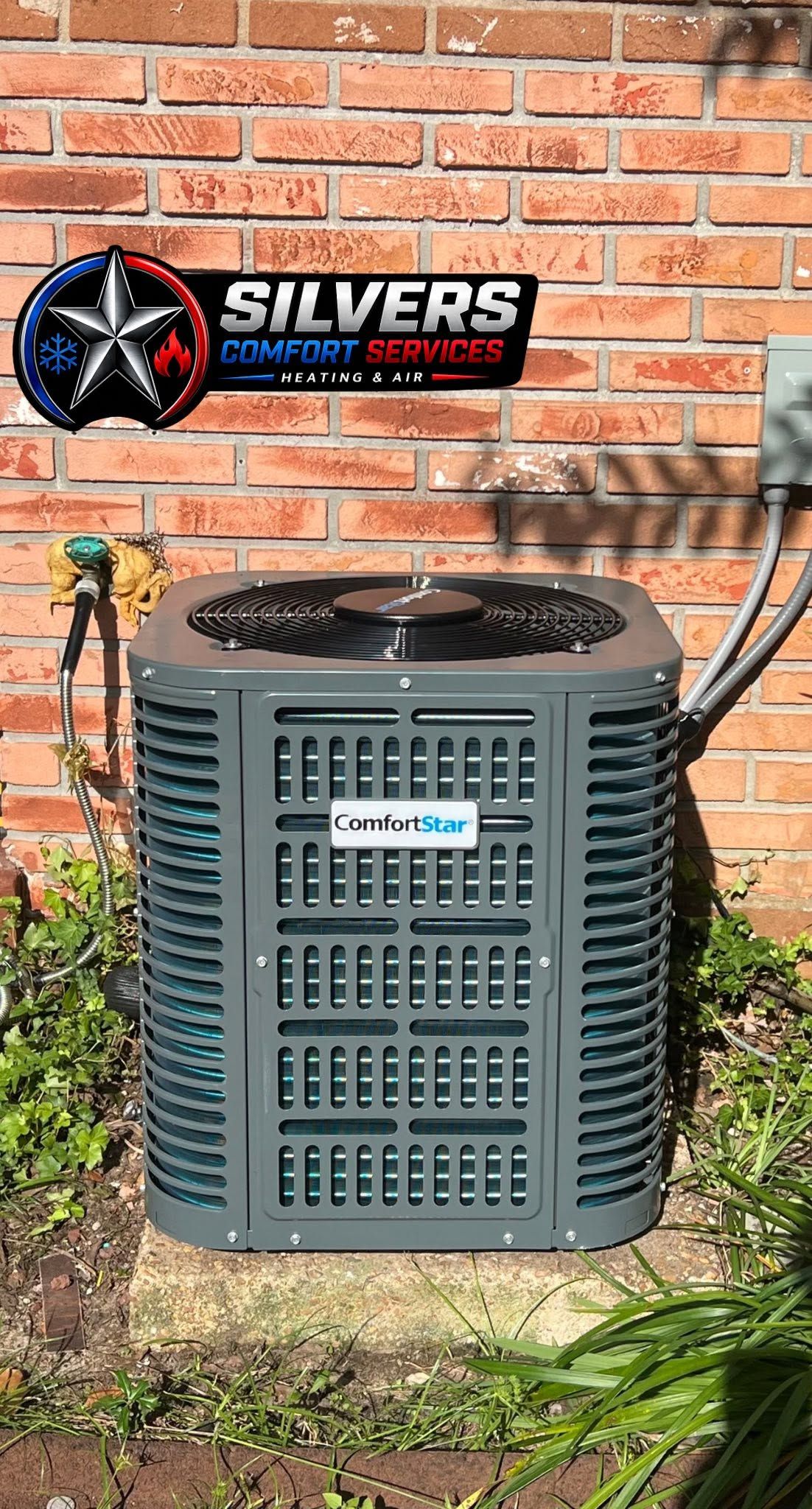
Why Routine Service Extends Equipment Life
Maintenance catches deteriorating conditions early when simple cleaning or adjustment prevents component failure. Coils coated with dust and pollen reduce heat transfer efficiency by thirty percent or more, forcing compressors to run longer and work harder to achieve the same cooling output. Blower wheels caked with debris reduce airflow below manufacturer specifications, triggering limit switches that cycle the system off to prevent overheating. Cleaning these surfaces restores design performance and reduces mechanical strain that shortens equipment life.
After maintenance is completed, your system draws amperage within nameplate ratings rather than exceeding specifications due to dirty coils or tight bearings, refrigerant pressures match outdoor temperature conditions expected for properly charged equipment, and airflow measured at supply registers delivers volume consistent with blower speed settings. Drain lines flow freely without algae blockages that cause water damage when condensate backs up into the air handler, and electrical connections remain tight enough to prevent arcing that carbons terminals and creates high-resistance faults. These conditions reduce the likelihood of mid-season breakdowns and improve seasonal energy efficiency.
Maintenance plans typically include priority scheduling for repair calls, discounted service rates on parts and labor, and waived diagnostic fees when problems arise between scheduled visits. Plans do not cover repair costs themselves but reduce total ownership expense by catching small issues before they cascade into major failures. Most plans schedule two visits annually, one before cooling season and one before heating season, timed to address the specific demands each operating mode places on system components.
Questions About Maintenance Service
Homeowners often question whether routine service justifies the expense compared to calling for repairs only when systems fail. These answers explain what maintenance prevents and how it differs from repair service.
What tasks are included during a preventative maintenance visit?
Technicians clean condenser and evaporator coils, test capacitor microfarads and voltage output, measure refrigerant pressures and calculate subcooling and superheat, inspect electrical connections for corrosion or looseness, verify thermostat calibration, check drain line flow, and lubricate motor bearings where applicable.
How does maintenance reduce the risk of unexpected breakdowns?
Testing components under operating conditions reveals failing capacitors, refrigerant leaks, and motor bearing wear before complete failure occurs, allowing scheduled repairs during mild weather instead of emergency service during extreme temperatures when HVAC systems are needed most in Gulfport.
When should maintenance be scheduled for Gulf Coast climate conditions?
Spring maintenance before peak cooling season addresses refrigerant charge, coil cleanliness, and compressor condition, while fall maintenance before occasional heating demand tests ignition systems, verifies flame sensors, and inspects heat exchangers for cracks that develop over time.
What maintenance tasks cannot homeowners perform themselves?
Refrigerant testing and adjustment requires EPA certification and manifold gauges, electrical measurements need multimeters and understanding of three-phase power where applicable, and combustion testing on gas furnaces involves analyzing flue gas composition to verify safe and efficient burner operation.
Why do maintenance plans improve system efficiency?
Dirty coils, undercharged refrigerant, and restricted airflow from clogged filters force compressors and blowers to work harder and consume more electricity to produce the same heating or cooling output, while clean systems operating at design specifications deliver rated efficiency without wasted energy.
Silvers Comfort Services offers maintenance plans that prepare HVAC equipment for seasonal demands before minor issues develop into system failures. Contact us to enroll in scheduled service that reduces breakdown risk and extends the working life of your heating and cooling investment.