
Heat That Returns When Systems Fail
Heating Repairs in Gulfport for furnaces and heat pumps that no longer produce warmth
Ignition failures, thermostat malfunctions, and airflow restrictions prevent residential heating systems from maintaining comfortable indoor temperatures during the cooler months along the Mississippi Gulf Coast. Silvers Comfort Services repairs heating equipment that has stopped producing heat, runs but fails to warm the home adequately, or creates unusual noises indicating mechanical problems inside the air handler or furnace cabinet. Even mild winters in this region require dependable heating when overnight temperatures drop and morning comfort depends on a functioning system.
Heating repair starts with determining why the system will not ignite, why flames extinguish prematurely, or why warm air fails to reach living spaces despite burner operation. Technicians test gas valve operation and pressure, inspect flame sensors for carbon buildup that prevents burner cycles from continuing, verify limit switches are not tripping due to overheating caused by restricted airflow, and measure blower motor speed to confirm adequate air movement across the heat exchanger. Heat pumps require different diagnostics including reversing valve function, defrost cycle operation, and outdoor coil condition that affects heating capacity when temperatures drop below forty degrees.
Arrange a service appointment to identify what component failure is preventing your heating system from operating correctly and what function will be restored.
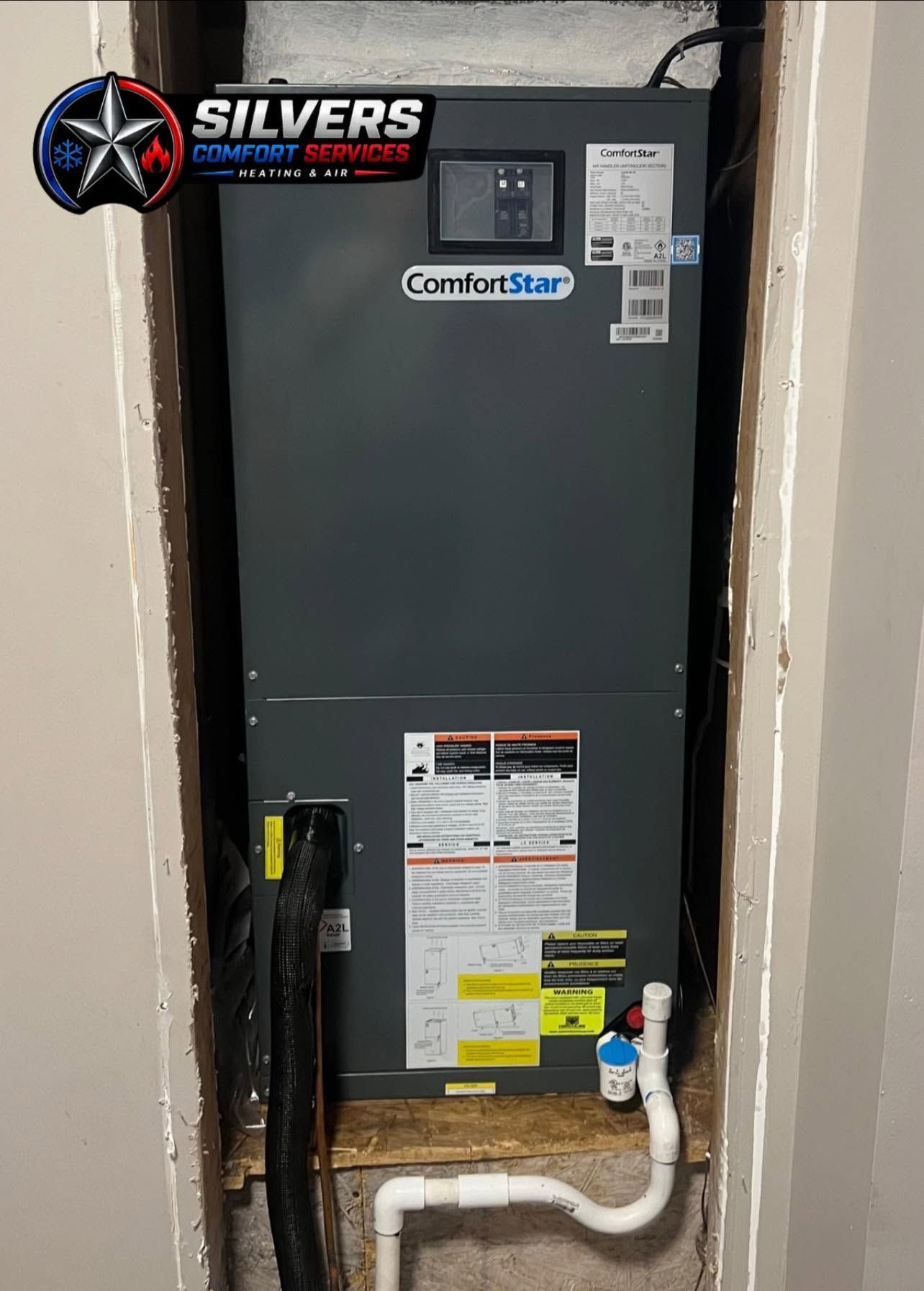
How Heating Repair Addresses System Failures
Accurate diagnostics separate intermittent problems from complete heating failure. Service includes testing thermostat call signals to verify control voltage reaches the equipment, inspecting igniter resistance to confirm the element will glow hot enough to ignite gas, and measuring temperature rise across the heat exchanger to verify the furnace is producing heat output within manufacturer specifications. Gas furnaces typically show temperature rise between forty and seventy degrees depending on firing rate and blower speed, while heat pumps deliver lower supply temperatures that feel less warm to the touch but still heat the home when airflow is adequate.
Once repairs are complete, the system ignites reliably when the thermostat calls for heat, flames remain lit through the entire heating cycle, and supply vents deliver warm air at consistent temperature. Rooms reach thermostat setpoint without extended runtime, and the blower motor no longer produces grinding or squealing sounds that indicate bearing wear. Proper airflow prevents limit switch cycling that causes the burner to shut down repeatedly, and combustion components remain clean enough to ignite without delays or rollout conditions.
Heating repairs fix the immediate cause of system failure but do not prevent age-related deterioration in heat exchangers, blower assemblies, or control boards. Furnaces older than fifteen years or heat pumps with refrigerant leaks and compressor noise may require replacement rather than continued repair investment. Technicians provide equipment condition assessments so you understand whether repair extends useful life or delays inevitable replacement.
Frequent Questions Regarding Heating Service
Heating systems in Gulfport run less frequently than cooling equipment but still experience component failures that leave homes without heat during the coldest weeks. These questions address concerns homeowners raise when heating stops working.
What prevents a gas furnace from igniting when the thermostat calls for heat?
Failed igniters that no longer glow hot enough to light gas, dirty flame sensors that shut the gas valve prematurely, or draft inducer motors that fail to establish proper venting pressure before allowing ignition all prevent burner operation.
How do you repair a heating system that runs but produces no warmth?
Technicians verify the burner is actually lighting by observing flames through the sight glass, test temperature rise to confirm heat is being generated, and inspect ductwork for disconnections or damper closures that prevent warm air from reaching living spaces even when the furnace operates normally.
Why does my heating system make loud banging noises during startup?
Delayed ignition caused by dirty burners or weak igniter elements allows gas to accumulate briefly before lighting, creating a small explosion that sounds like a bang or boom inside the heat exchanger when ignition finally occurs.
When should I schedule heating repairs before winter arrives?
Service calls increase sharply during the first cold snaps in late November and December along the Gulf Coast when homeowners discover heating problems that went unnoticed during months of cooling-only operation, so early-season testing in October avoids delays when temperatures drop.
What heating repairs are most common in this region?
Flame sensor cleaning, igniter replacement, blower motor capacitor failure, thermostat wiring issues, and heat pump reversing valve problems account for most service calls, while cracked heat exchangers and failed gas valves require more extensive repairs or system replacement.
Silvers Comfort Services addresses heating failures before small malfunctions escalate into complete system breakdowns. Book heating repair service when you notice ignition problems, insufficient warmth, or unusual operating sounds that indicate component wear.